Best Times to Visit Rāzna for Bird Watching
Spring and autumn bring rare migratory species. Learn which months offer the richest bird watching opportunities and what to expect each season.
Binoculars, waterproof gear, and insect repellent make the difference. Here's what experienced visitors actually pack — no unnecessary extras, just what works.

You're planning a trip to Rāzna National Park. Whether it's your first time or you've been a dozen times, you want to be prepared. Not over-packed with gadgets you'll never use, but actually ready for whatever the day brings.
We've talked to dozens of regular visitors — bird watchers, picnickers, photographers, families. They all agree on the same thing: it's not about having expensive equipment. It's about having the RIGHT equipment. The stuff that actually solves problems you'll actually face.
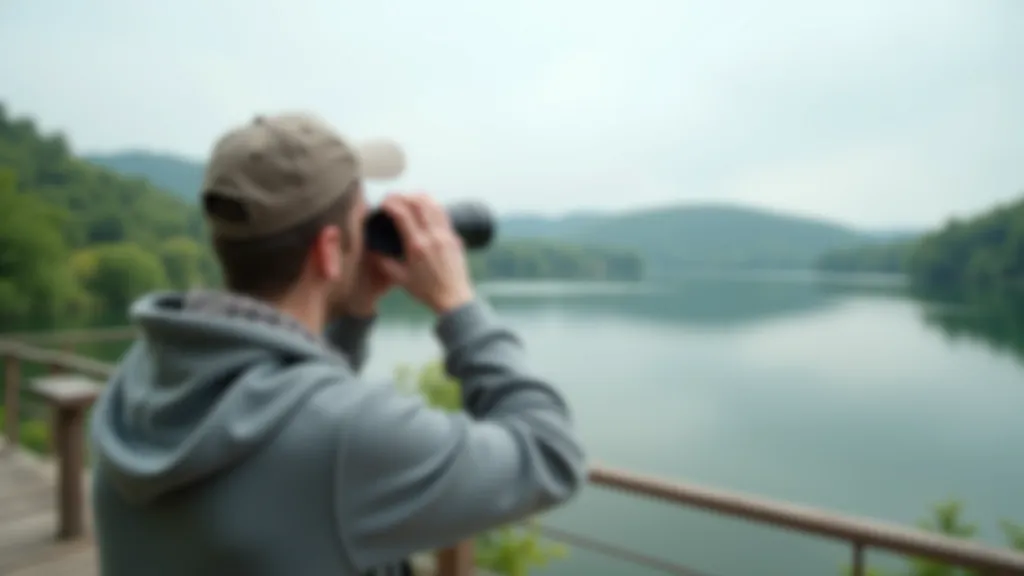
Binoculars are the single most important thing you'll bring. Seriously. You could leave your camera at home. You could skip the fancy insect repellent. But without binoculars, you're missing half the experience.
What kind? You don't need top-of-the-line. Something in the 8x42 range works perfectly — that's 8x magnification with a 42mm lens. It'll give you a bright, clear view of birds 50-100 meters away. Price range? Around 80-120 euros gets you something solid that'll last years.
Visit a camera shop and hold them up to your eyes. You'll know immediately if they feel right. Weight matters. If they're heavy, your arms'll get tired fast.
Also pack a small notebook and pencil. Bird watching means keeping notes — what you saw, when, where. Sounds boring but it's actually fun. You'll notice patterns over time. "Oh, the white-tailed eagles always show up around 7 AM on cool mornings."


This is Rāzna. Weather changes fast. You could start the day sunny and by noon you're dealing with actual rain. We're not talking about light drizzle — real rain, the kind that soaks through regular jackets in 10 minutes.
Get a proper waterproof jacket. Not "water-resistant" — that's marketing speak. Waterproof means a coating that actually repels water. Look for something with sealed seams. You'll spend 40-70 euros on a decent one, and it's worth every cent.
What else you need:
Trust us — wet socks will ruin a good day faster than almost anything else.
May through September, you've got company. Mosquitoes, midges, horseflies. They're especially bad in early morning and late evening. If you're sitting by the water for hours, they'll find you.
Insect repellent matters. DEET-based products work best — aim for 20-30% concentration. Apply it to exposed skin AND your clothing edges. And yes, you'll smell a bit chemical. But you won't spend your day swatting mosquitoes.
Wear long sleeves and pants. Sounds hot, but lightweight, breathable materials work fine. Light colors are best — bugs are less attracted to white and pale yellow than dark colors.


You'll be outside for 4-6 hours. Maybe longer. Your body needs fuel and hydration. Don't underestimate this.
Bring at least 1.5 liters of water. More if it's warm. Pack snacks — nuts, fruit, energy bars. Something with salt and carbs. You'll burn calories walking around, spotting birds, sitting on benches. Plus, having something to eat makes the day feel better when the weather turns moody.
Sunscreen. Even on cloudy days. Water reflects UV rays, and you'll be exposed longer than you realize. SPF 30 minimum. Reapply after 2-3 hours, especially if you're near water.
And here's something people forget: a small first-aid kit. Band-aids, blister treatment, pain reliever. Nothing fancy. Just enough to handle minor issues so they don't turn into problems.
Don't overlook your backpack. You're carrying binoculars, camera, water, snacks, jacket, first aid kit. It adds up. A 20-25 liter pack is perfect — big enough for everything, not so massive that you feel burdened.
Look for good back support and padded straps. You'll wear this for hours. Cheap backpacks cut into your shoulders after 30 minutes. It's worth spending a bit more here.
Multiple pockets matter too. Binoculars go in an accessible spot. Snacks in an easy-reach pouch. Jacket either in the main compartment or hooked to the outside if it's small. Good organization means you're not digging around for things.

Here's the thing about gear — you don't notice it when it's working right. You notice it when it fails. Good binoculars let you see birds. Bad ones make you frustrated. Waterproof jacket keeps you comfortable. Regular jacket leaves you miserable. The right backpack disappears on your shoulders. The wrong one becomes all you can think about.
Start with the essentials: binoculars, waterproof jacket, insect repellent, water, and a decent backpack. Everything else is bonus. As you visit more, you'll figure out what else matters to YOU. Some people add a tripod for camera work. Others bring a camp chair. The base gear though — that stays the same.
You're not trying to be an expert adventurer. You're just trying to have a good day at the lake. The right gear makes that possible.
Disclaimer: This article provides general information about gear recommendations for lakeside visits to Rāzna National Park. Individual needs vary based on personal health conditions, allergies, and comfort preferences. Always check current weather forecasts and park conditions before your visit. Product recommendations are based on general visitor feedback and aren't endorsements of specific brands. Consult product labels for proper usage, and consider your own requirements when selecting gear.