Best Times to Visit Rāzna for Bird Watching
Spring and autumn bring rare migratory species to this pristine wetland reserve. Learn which months offer the richest wildlife viewing and why early mornings matter most for spotting eagles and herons.

Why Timing Makes All the Difference
Rāzna National Park isn't just a pretty lake. It's a major stopover point for migratory birds traveling between northern breeding grounds and southern wintering areas. Timing your visit right means the difference between spotting three or four common species and witnessing something truly remarkable.
We've spent years tracking seasonal patterns here, and it's clear that success isn't random. Certain windows open up when conditions align — water levels drop, insects emerge, or flocks pass through. Understanding these rhythms transforms a casual visit into real bird watching.

Spring: The Peak Migration Window
April through May is when Rāzna comes alive. The ice melts, water levels stabilize, and suddenly you're looking at thousands of birds returning from Africa. White-tailed eagles start establishing territories. Osprey arrive in late April. You'll see species here that simply aren't present in summer.
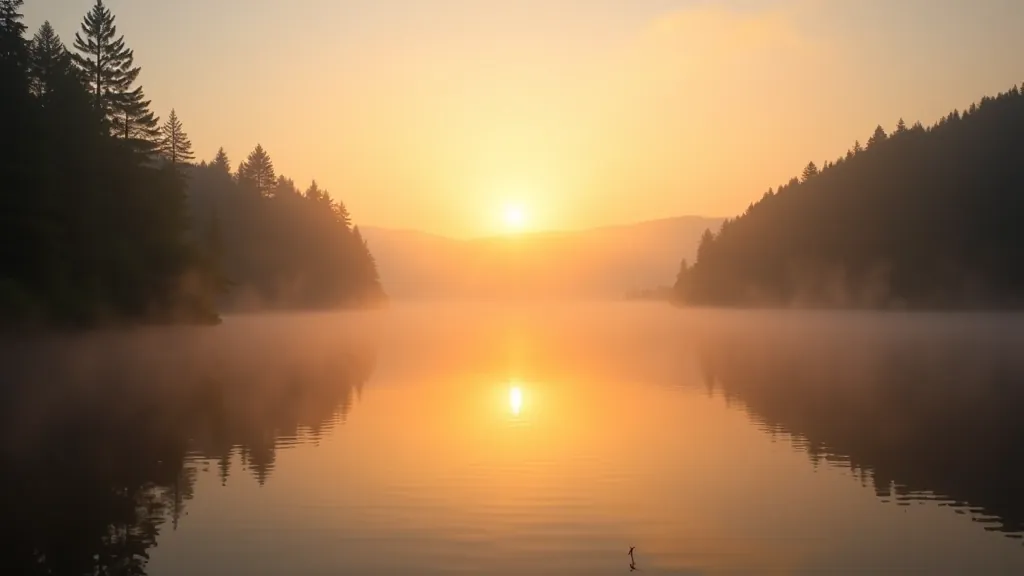
Here's what actually matters: arrive between 5:30 and 7:30 AM. That's when birds are most active, feeding in shallow waters before the day gets warm. Don't wait until mid-morning — the window closes fast. Mid-May brings the greatest diversity, but even early April offers surprises if you're patient and quiet.
- Best month: May for volume and variety
- Second best: April for rare stragglers
- Optimal time: Before 8 AM, cloudy days preferred
- What to expect: 40-50+ species across the park
Autumn: Preparation and Movement
August through October brings a different kind of action. Spring is about arrivals; autumn is about preparation and departure. Young birds fledge in August, creating chaotic feeding scenes. By September, juvenile eagles are everywhere, still learning to hunt properly. It's less organized than spring migration but somehow more dramatic.
September stands out as genuinely exceptional. Water levels are lower after summer, concentrating birds in smaller areas. Visibility improves. You don't need binoculars as powerful because everything's closer. Late September to early October offers clear skies and cooler temperatures — comfortable for extended observation sessions.
The trick? Hunt for storm systems. Storms push migrants down and concentrate them at Rāzna. Bad weather for hiking is perfect weather for bird watching. When you see rain moving in, that's when to head to the observation platforms.

Time of Day Matters More Than You'd Think
Here's something we've verified countless times: the hour before sunrise through two hours after sunrise produces 80% of your sightings. Not because birds are sleeping later — they're not. They're simply more active when temperatures are cool and insects are emerging from the water.
Late afternoon (last three hours before sunset) offers a second window, though it's never as productive as morning. The light's better for photography, at least. By mid-day, most birds retreat to deeper water or dense reeds. This isn't mysterious — they're just avoiding heat and staying out of sight from predators during the hottest hours.
Cloudy mornings are genuinely superior to clear ones. Overcast skies mean birds stay active longer and move more freely across open water. On bright mornings, you'll find them hiding in reed beds by 8 AM.


The Three Main Observation Points
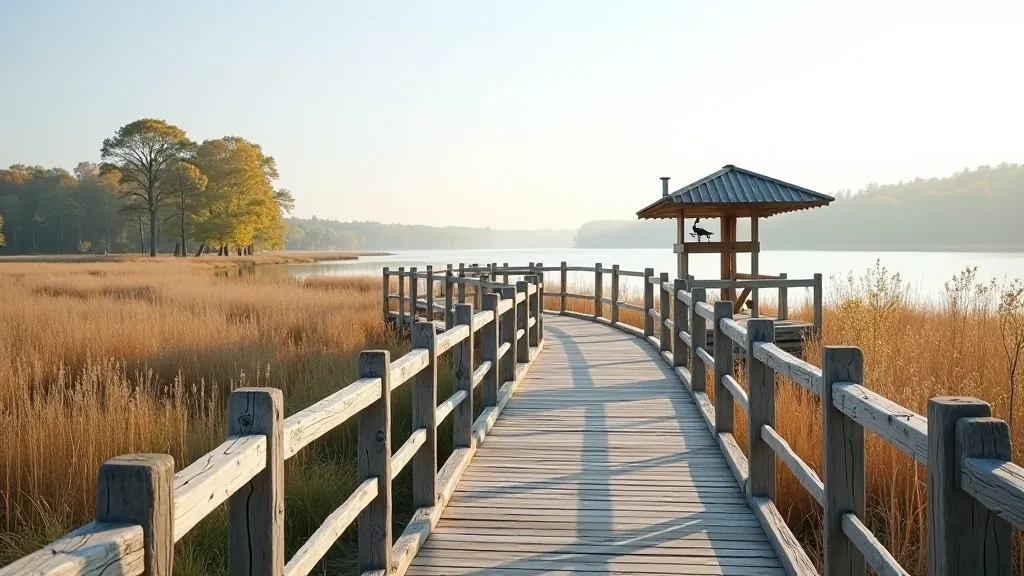
Rāzna has five viewing platforms total, but three consistently produce. The northern platform overlooks the deepest water section — excellent for eagle spotting and rare divers. The central platform sits where three water channels meet, creating natural feeding zones. The southern platform's slightly elevated position provides the best overall visibility across the entire lake.
Rotate between them during your visit. Birds move constantly, and what's empty at one platform might be active at another. This isn't laziness — it's strategy. Spend 20-30 minutes at each location, observing patterns. You'll notice feeding zones shift with light and temperature throughout the morning.
The platforms themselves are maintained but rustic — no facilities, no crowds even in peak season. That's part of why they work. Minimal human activity means birds aren't stressed or habituated to noise.
Species You're Most Likely to See
White-tailed Eagles
April through October, though breeding pairs stay year-round. Massive birds with 2.4-meter wingspans. Watch for them perched in tall pines near water. They're not actually hunting most of the time — they're just watching. Patient birds.
Great Crested Grebes
Year-round residents with peak visibility in spring when they're establishing territories. Watch their elaborate courtship displays in May — two birds rising out of water together, heads touching. Stunning and strangely intimate to witness.
Osprey
Late April through August. Fish-eating specialists with incredible eyesight. You'll recognize them by their white undersides and distinctive dive-bombing fishing technique. They're fast and precise — watching one hunt is worth the early morning alone.
Eurasian Bitterns
May through September in reed beds. Heard more often than seen — their booming call carries across the water at dusk. Cryptic plumage makes spotting them difficult, but that low boom is unmistakable once you've heard it.
Marsh Harriers
April through September, hunting over reed beds. Slender hunters with distinctive flight patterns — they don't soar like eagles. Watch for them quartering back and forth low over vegetation, then suddenly dropping on prey.
Whooper Swans
October through April, with peak numbers in November. Massive white birds that actually do whoop — a loud, almost musical call. They arrive from Arctic breeding grounds and stay until ice forces them south again.
Plan Your Visit Around What Matters
So here's the actual answer: spring (April-May) and autumn (September-October) are genuinely the best times. But if you can only visit once, go in May. You'll see more species and more individual birds than any other month. The diversity is unmatched.
Don't overthink the preparation. Bring binoculars, wear neutral colors, arrive before sunrise, and be quiet. Those four things account for 90% of success. The rest is patience and luck — and sometimes luck isn't really luck. It's just showing up at the right place when conditions align.
The platforms are there. The birds come reliably. You just need to meet them halfway, literally and figuratively.
Important Note
This article provides educational information about bird watching at Rāzna National Park based on field observations and ecological research. Weather conditions, water levels, and bird populations vary from year to year. Always check current park conditions before visiting, follow all local regulations, and respect wildlife by maintaining safe distances. Bring proper equipment and be prepared for changing conditions. Consider consulting with park rangers or local bird watching groups for the most current sighting information.